Why Is a Japanese Raccoon Dog Selling Meme Coins in Ohio? On Folklore, Branding, and the Great Mascot Land Grab
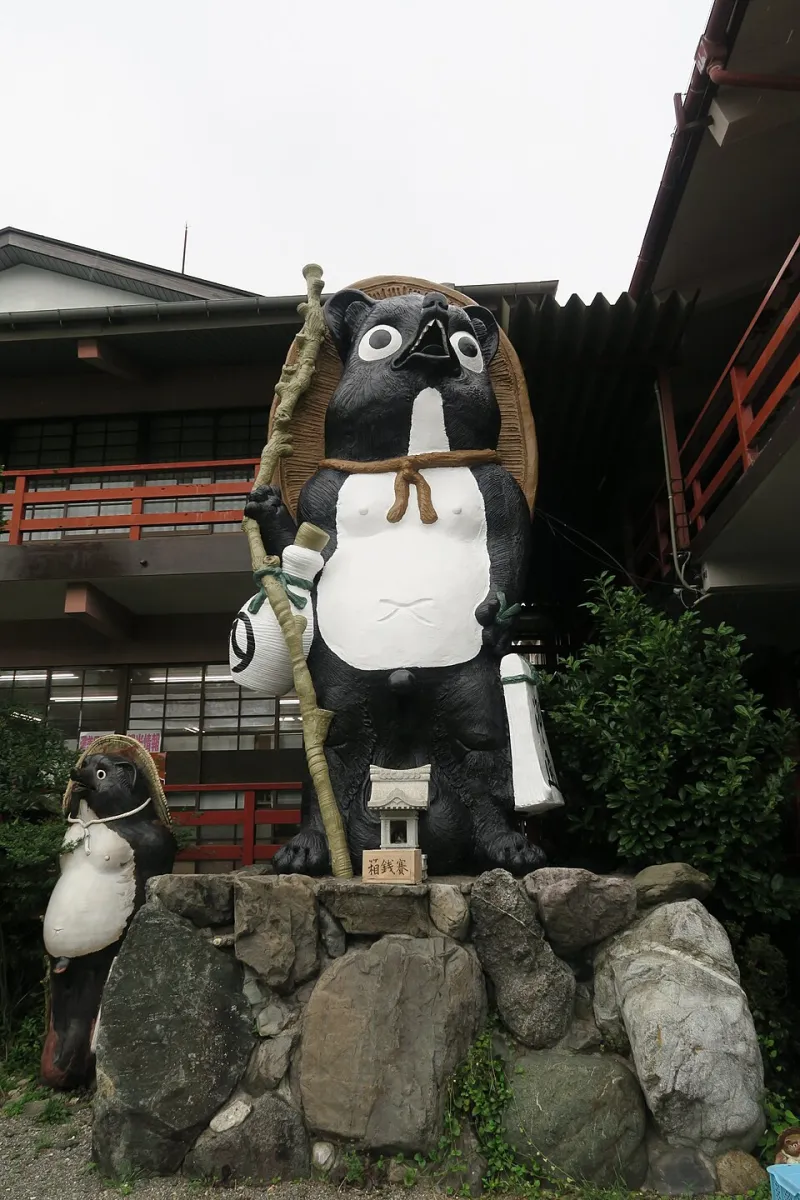
Photo: Motokoka, CC BY-SA 4.0, via Wikimedia Commons
Somewhere in the Midwest right now, a guy named Kyle is explaining to his book club that his portfolio's performance depends on a Japanese raccoon dog. Nobody at the table blinks anymore. This is just where we are as a country.
The mascot war in American meme coins has gone global. We've exhausted dogs — every breed, every misspelling. Frogs had their moment and their reckoning. Cats made a run at it. So the industry did what American commerce always does when it runs out of domestic material: it started importing. Japanese folklore has been strip-mined with particular enthusiasm — kitsune, kappa, oni, and yes, the tanuki, which we at TanukiCoin obviously have some feelings about.
The easy take is to roll your eyes. The harder and more useful take is to ask what the borrowing actually signals. Because here's our argument, stated upfront: the choice of a folklore mascot tells you something real about a project — but it cuts both ways.
The Case That Mythology Branding Is a Good Sign
Projects that reach for folklore are, at minimum, signaling an intention to outlive the current news cycle. Dog memes are tethered to a moment. Mythological figures have already survived a few thousand years of attention competition; borrowing them is a bet on timelessness rather than trendiness.
There's also a deeper structural reason. A good folklore figure comes pre-loaded with narrative and with flaws. The tanuki in Japanese stories is a trickster — a shapeshifter, a illusions-caster, occasionally a buffoon. It's not a clean hero. Projects that embrace a morally complicated mascot are implicitly acknowledging something the industry usually pretends away: that crypto contains deception, transformation, and absurdity, and that a serious protocol has to be built for those realities rather than in denial of them.
Compare that to the 2021-era branding of 'safest yield protocol, audited, trust us.' The folklore projects at least have a sense of humor about the terrain.
The Case That It's Sometimes Just Camouflage
Now the uncomfortable part. A mythology skin is also the perfect costume for a rug pull, precisely because it signals depth that isn't there. 'Ancient wisdom' aesthetics are free. Nothing about a tanuki logo prevents an anonymous deployer from minting himself a billion tokens and vanishing into a mixer.
Worse, folklore branding can function as a moat against scrutiny. Criticize the tokenomics and you look like you're kicking a raccoon dog. The mascot does the defensive work that actual transparency should be doing. We've watched projects wrap genuinely predatory mechanics in enough folkloric charm that skeptical threads on crypto Twitter read like attacks on a beloved cultural institution.
Cultural borrowing, done lazily, is also just that — lazy. There's a difference between a project that genuinely engages with what the tanuki myth means and one that thought a cute animal plus a kanji in the whitepaper would translate to engagement.
A Framework: Three Questions for the Mascot
So how do you tell a longevity play from a costume? Three questions.
One: does the brand engage with the folklore or just wear it? A project that explains why the tanuki — the shapeshifting, the trickery, the eight-bringed luck in some regional traditions — and builds product features around those themes is doing real design work. A project that uses the animal as a wallpaper has a mascot, not a thesis.
Two: does the substance exist without the skin? Strip the mythology out and read the docs cold. Locked liquidity, transparent team, sane distribution, audited contracts. If the fundamentals survive the de-branding, the mascot is garnish. If they don't, the mascot is the product, and you're buying a T-shirt.
Three: who's telling the story, and are they consistent? Folklore lives through retelling. A serious project has a community that knows the lore, argues about it, extends it — organic narrative, not a content calendar. Check whether the story has changed every time the price did.
The Honest Disclosure
We're not neutral observers here; we named our whole project after a trickster spirit. So take our bias into account. But that's also why we can say this with some confidence: the myth was never the point. The tanuki's stories endured because people kept telling them, generation after generation, adapting them to each era. Tokens work the same way. The mascot gets you one look. The community, the design, and the transparency decide whether anyone retells your story in 2030.
Kyle's book club, for what it's worth, remains unconvinced. Kyle remains fully allocated. Only one of them is reading the unlock schedule.