Seven Masks, One Token: A Field Guide to Spotting Fakes Before You Buy
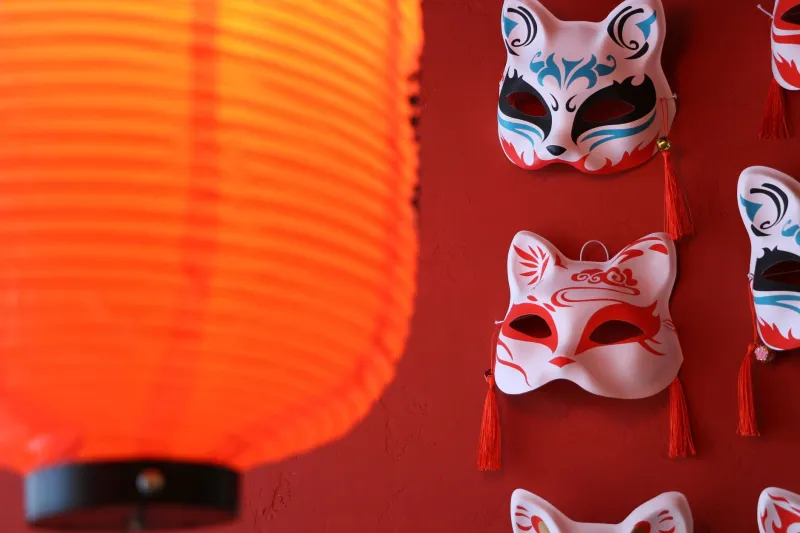
The tanuki, Japan's legendary trickster, was famous for one thing above all: disguise. It could pose as a trusted friend, a household object, a shrine gate — and you wouldn't know until the illusion broke. Sound familiar? Every week, a handful of fresh tokens launch with polished websites, borrowed jargon, and a roadmap that promises everything. Some are real. Many are wearing masks.
If you're a US retail investor, nobody's coming to save you. The SEC moves slowly, and by the time enforcement paperwork is filed, the liquidity is already gone. What protects you is a repeatable vetting process. Here are the seven questions we ask before any token — including our own — earns a dollar.
1. Where Is the Liquidity, and Is It Locked?
This is the fastest tell. A token with $40,000 in an unlocked liquidity pool is a token whose deployer can pull the rug at 2 a.m. on a Saturday. Look for LP tokens locked via a recognized locker or burned entirely, with a lock duration of at least a year. If the team dodges the question or calls locking "unnecessary," you've already got your answer.
2. Who Actually Holds the Supply?
Check the top ten wallets on a block explorer. If a handful of addresses control 40% or more of circulating supply, you're not investing — you're asking permission from whales who can dump on you. Reasonable concentration varies by project stage, but anything where a single wallet could crater the price deserves a hard pass or a much smaller position.
3. Are the Contracts Audited — by Someone Real?
"Audit" has become a buzzword slapped onto landing pages. Verify it. Find the actual audit report, check which firm issued it, and confirm the issues were addressed. An audit isn't a guarantee, but a project that skips one entirely is telling you how much it values your money.
4. Does the Team Exist in the Real World?
Anonymity isn't automatically disqualifying in crypto — plenty of legitimate projects launch pseudonymously. But anonymous plus unproven plus hype-heavy is a dangerous combination. Look for verifiable track records, doxxed advisors, or at minimum a multi-year history of shipping. A LinkedIn page with three connections doesn't count.
5. What Does the Token Actually Do?
Strip away the marketing. Can you articulate, in one sentence, why this token needs to exist? If the answer is "governance" for a protocol with nothing to govern, or "rewards" for a loop that only pays early sellers, the token is a costume over a cash grab. Real utility doesn't have to be glamorous — but it has to be specific.
6. How Did the Token Get Distributed?
Read the tokenomics docs, then read them again. A fair launch or broad airdrop is a very different animal from a 70% insider allocation with a vesting cliff that expires next quarter. Unlocks are scheduled events; check the calendar. Tokens with major cliff unlocks often bleed for weeks before the date — and sometimes after.
7. How Does the Community Handle Criticism?
This one's underrated. Join the Discord or Telegram and ask a skeptical question — politely. Healthy communities answer with information. Masked ones answer with mockery, mass-muting, or an instant ban. If a project can't survive a reasonable question from a stranger, it can't survive a bear market either.
The Mask Always Slips Eventually
Here's the good news: you don't need to be a smart contract engineer to run this checklist. Every question above takes minutes, and together they filter out the overwhelming majority of projects that were never what they appeared to be.
The tanuki's disguises were clever, but folklore always ends the same way — the trickster's illusion collapses under scrutiny. Tokens are no different. Shine a light, ask the seven questions, and most masks fall off before your money does.