The Trickster in the Protocol: What the Tanuki's Ancient Magic Reveals About DeFi's Darkest Corners
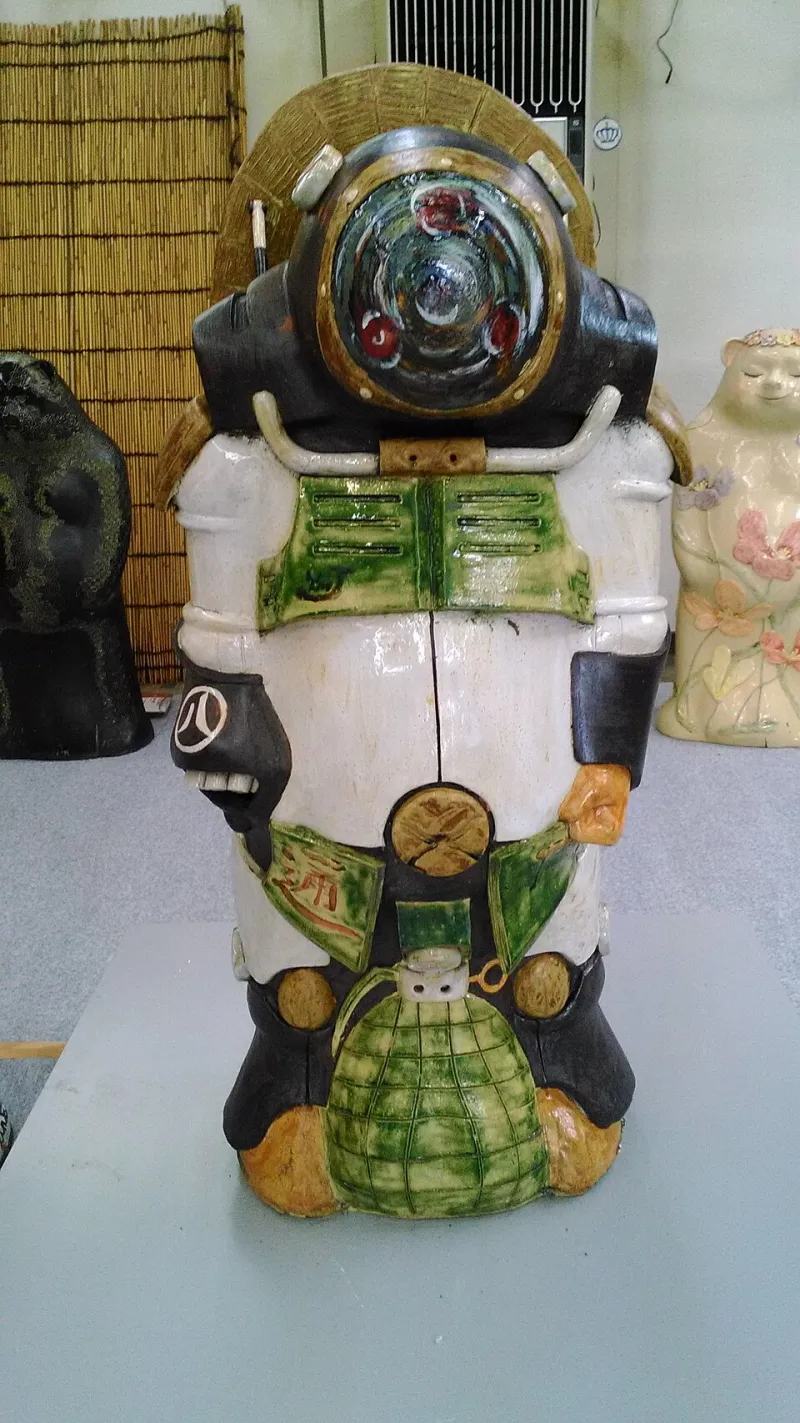
Photo: Motokoka, CC BY-SA 4.0, via Wikimedia Commons
Opinion | TanukiCoin Editorial
There's a reason we named this project after the Tanuki.
In Japanese folklore, the Tanuki — that round-bellied, mischievous raccoon dog — is one of the most beloved and feared supernatural creatures in the cultural canon. It shapeshifts. It conjures illusions so convincing that travelers mistake leaves for gold coins, or empty fields for bustling marketplaces. The Tanuki isn't evil, exactly. But it is a reminder that appearances can deceive, and that the world is full of things that glitter without being gold.
Spend enough time in DeFi, and you'll recognize the Tanuki immediately.
The Illusion of Yield
Nothing in decentralized finance casts a spell quite like an APY number. A protocol launches with 800% annual yield on a liquidity pool, and wallets flood in faster than you can say "impermanent loss." The number is real — for about a week. Then the early liquidity providers exit, the token inflates, the rewards dilute, and the people who arrived late are left holding a bag of governance tokens worth a fraction of what they put in.
This isn't hypothetical. It's happened dozens of times across Ethereum, Solana, and every chain in between. The yield was real in the same way the Tanuki's gold coins are real — until you look too closely, and they turn back into leaves.
For US investors especially, this matters. Unlike traditional securities, most DeFi protocols operate outside regulatory frameworks that would require disclosure of tokenomics, team compensation, or treasury management. You're often flying blind, relying on a whitepaper and a Discord server to make decisions that involve real money.
When Decentralization Becomes a Shield
One of DeFi's foundational promises is that removing centralized intermediaries creates fairer, more transparent systems. And in principle, that's true. Smart contracts are auditable. Transactions are on-chain. Anyone can verify the math.
But here's where the Tanuki's tricks get sophisticated: decentralization can also be weaponized as a liability shield. When a protocol's anonymous founding team disappears with $30 million in a rug pull, there's no headquarters to raid, no CEO to subpoena, no customer service line to call. The "decentralized" label that was supposed to protect users from corporate malfeasance ends up protecting bad actors from accountability instead.
Market manipulation is another area where DeFi's openness becomes a double-edged sword. Wash trading — where the same wallet or coordinated group of wallets inflates volume to create the illusion of demand — is rampant in low-liquidity token markets. On a centralized exchange, this kind of activity can trigger regulatory scrutiny. In a DeFi protocol with thin liquidity and anonymous participants, it can run unchecked for months.
The illusion of a thriving market. Classic Tanuki energy.
Reading the Signs: Red Flags That Deserve a Second Look
The Tanuki's transformations aren't perfect — there are always tells, if you know what to look for. The same is true in DeFi. Here are the signals worth taking seriously before you commit capital:
Anonymous teams with no verifiable track record. Pseudonymity is common and not inherently suspicious in crypto. But if a team has no history of prior projects, no community presence beyond hype posts, and no accountability structure, that's a meaningful risk factor. Ask: what happens if this goes wrong? Who can be held responsible?
Tokenomics that concentrate supply at the top. Read the token distribution carefully. If 40% of supply is allocated to "team and advisors" with short or no vesting schedules, the incentive structure is not aligned with long-term holders. Early insiders can dump on retail buyers the moment unlock periods expire.
Audits used as marketing rather than security. A smart contract audit is valuable — but only if it's thorough, recent, and conducted by a reputable firm. Some projects wave around audit badges from obscure firms as a trust signal without disclosing what the audit actually found. Always read the audit report itself, not just the headline.
Governance that's governance in name only. Many DeFi protocols advertise DAO governance as a feature. In practice, if a small group of whale wallets controls the voting power, "decentralized governance" is just a prettier way of saying "the founders still run everything." Check on-chain voting records before assuming community control is real.
Liquidity that looks deep but isn't. On-chain data can show you where liquidity actually lives. If a token's trading volume looks impressive but the liquidity pool is shallow and dominated by a handful of wallets, price manipulation becomes trivially easy. Tools like DeFiLlama and on-chain analytics dashboards are your friends here.
Respecting the Trickster
Here's the thing about the Tanuki that often gets lost in translation: the creature isn't purely malevolent. In Japanese culture, it's also a symbol of good fortune, adaptability, and resilience. Tanuki statues stand outside restaurants and shops across Japan as lucky charms. The same shapeshifting quality that makes it a trickster also makes it a survivor.
That duality is exactly why we built TanukiCoin around this mythology. DeFi is genuinely revolutionary technology. Liquidity protocols, automated market makers, permissionless lending — these innovations have the potential to reshape global finance in ways that benefit people who've historically been excluded from traditional banking. The promise is real.
But so are the illusions. And the investors who thrive long-term in this space are the ones who hold both truths at once: deep optimism about what decentralized finance can become, and clear-eyed skepticism about what it often is right now.
The Framework: Trust, But Verify Everything
If you're allocating capital to DeFi protocols in 2024, here's the mindset worth adopting:
- Treat anonymity as a risk factor, not a feature. It can be both, but price it accordingly.
- Assume yield is temporary until proven otherwise. Sustainable yields in DeFi are real but rare. Know the source of the yield before you chase it.
- Use on-chain data, not project-provided dashboards. Raw blockchain data doesn't lie. Marketing dashboards sometimes do.
- Diversify across protocols AND chains. Concentration risk in DeFi isn't just about tokens — a single smart contract exploit can wipe out everything in one pool.
- Keep a healthy portion of your portfolio in assets with genuine liquidity depth. When things go sideways, you want to be able to exit cleanly.
The Tanuki teaches us that transformation is powerful — but that wisdom lies in knowing when you're the one being transformed without your consent.
Stay sharp out there.