Pass the Stuffing, Save the Portfolio: A Holiday Intervention Kit for Relatives Who Discovered Crypto on TikTok
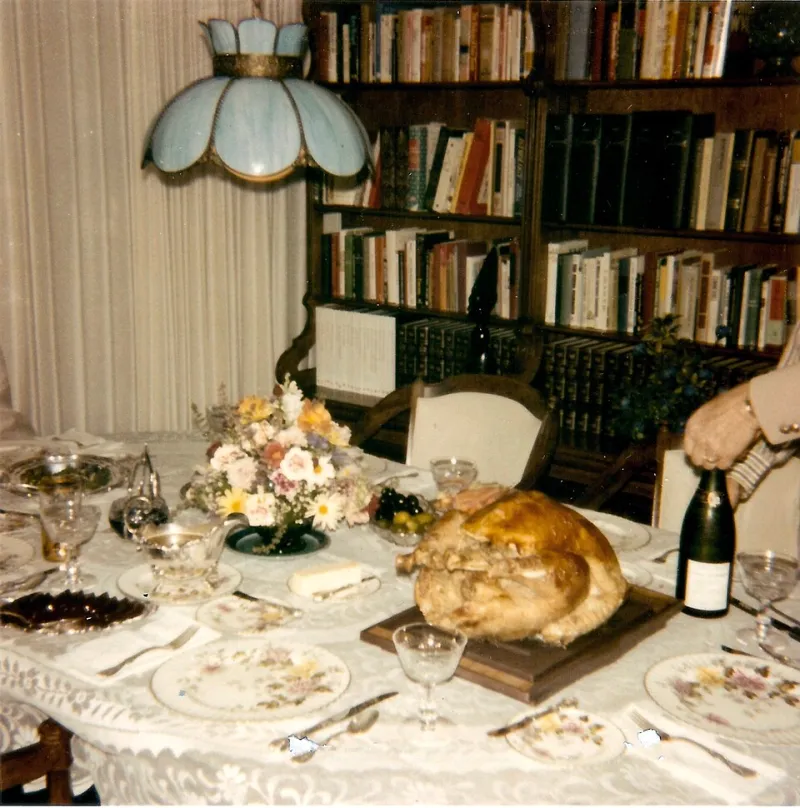
Photo: Per source. Please credit "Family photos of Infrogmation"., CC BY-SA 4.0, via Wikimedia Commons
Every November, the same scene plays out in dining rooms from Dayton to Denver. The turkey's carved, the green bean casserole is sweating, and your uncle — the same guy who once bought a timeshare in the Poconos — leans across the table and says the six words that should make every crypto-savvy relative's ears perk up: "Have you heard about this coin?"
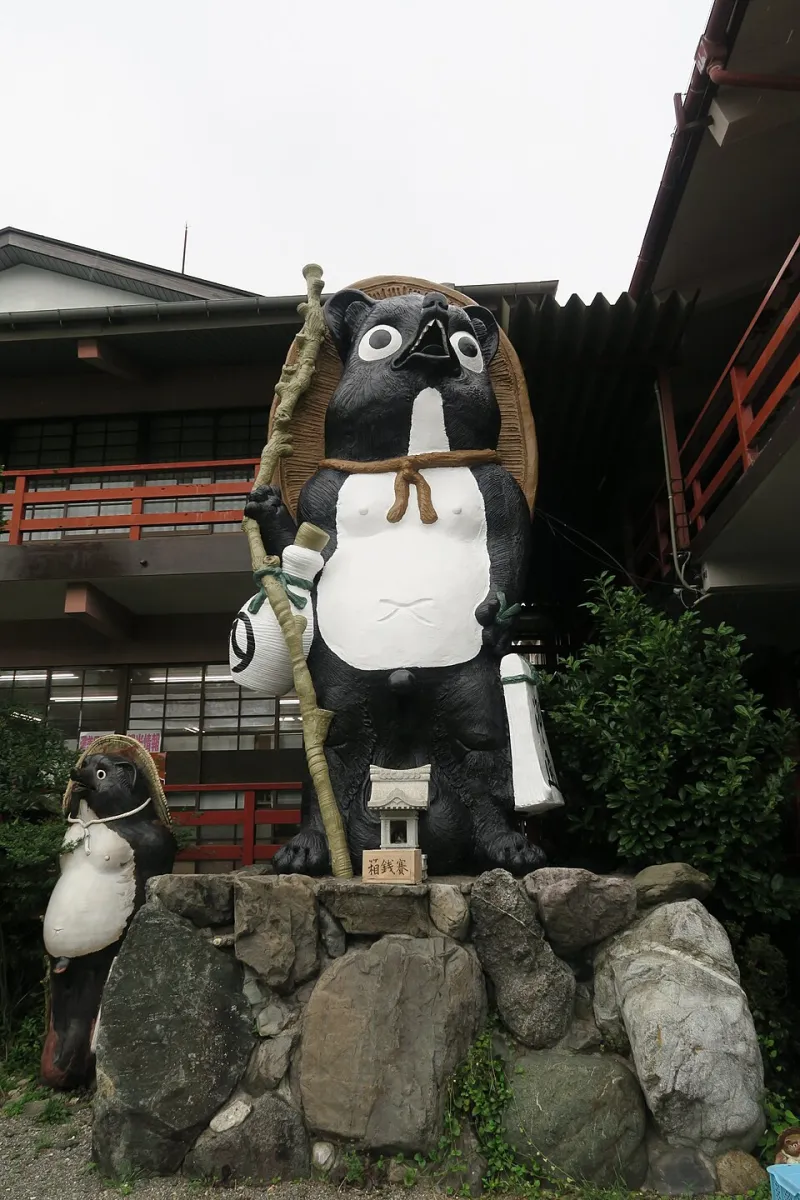
If you're reading TanukiCoin, you probably know a thing or two about tokens. And you know the folklore, too: the tanuki is Japan's great shapeshifter, a trickster who disguises itself as everything from a teapot to a priest. Bad crypto projects work the same way. They wear the costume of legitimacy — a slick website, a cartoon mascot, a Telegram full of rocket emojis — and by the time the disguise slips, somebody's savings are gone.
So this holiday season, we're proposing a new family tradition. Before any relative puts a single dollar into a token they discovered between dance videos and cooking hacks, they have to pass the Tanuki Test. Five questions. No exceptions. If they can't answer them, the money stays in the savings account where it belongs.
Question 1: Who Actually Holds This Thing?
Ask your relative to pull up the token on a block explorer — Etherscan is free, works on a phone, and requires zero technical wizardry. Then look at the holder distribution. If the top ten wallets control the majority of the supply, you're not an investor; you're an audience member waiting for the whale to sell on your head.
In the tanuki stories, the disguise always has one flaw — the tail poking out, the shadow that doesn't match the shape. Concentrated holdings are that tail. They're visible, they're public, and most people never bother to look.
Question 2: Can I Get Out As Easily As I Got In?
This one's about liquidity, and it's the question that separates a market from a trap. Ask: how much of this token is sitting in a tradeable pool, and is that pool locked? A token with thin liquidity is a door that only opens one way. You can walk in, but good luck walking out with your money when a thousand other people are crowding the same exit.
Your uncle doesn't need to understand automated market makers. He just needs to understand that if the answer to "can I sell tomorrow?" is a shrug, the answer to "should I buy today?" is a no.
Question 3: Who Built It, and Will They Show Their Face?
Anonymous teams aren't automatically scammers — privacy is a legitimate feature of crypto. But there's a difference between a pseudonymous developer with a track record and a ghost with a stock photo and a roadmap written by ChatGPT.
The tanuki disguises itself as a trustworthy figure precisely to exploit trust. When nobody will put a name, a history, or a reputation behind a project, you're not investing in a team — you're investing in a mask. Ask who they are. Ask what they've shipped before. Ask why the answers are so hard to find.
Question 4: What Happens When the Big Unlock Hits?
Token unlocks are the plot twist nobody reads. A huge chunk of supply sitting in a vesting contract is a future seller, and future sellers mean future price pressure. If your relative can't find the unlock schedule — or worse, if there isn't one — they're buying a ticket to a show without knowing when the fire alarm goes off.
This is also where the holiday metaphor writes itself: don't let anyone carve your portfolio before you've seen the whole bird.
Question 5: What's My Story for Why This Isn't Just FOMO?
Here's the uncomfortable one. Ask your relative — gently, over pie — to explain, in their own words, why this token will be worth more in two years. Not "because it's going up." Not "because the guy on TikTok said." An actual reason. A use case, a community, a mechanism, anything.
If the only thesis is momentum, then the only exit strategy is finding someone slower. That's not investing; that's a chain letter with better branding.
The Real Gift Is the Boring Advice
Look, we get it. There's something magical about crypto, and we're hardly the ones to mock enthusiasm — we named a whole token after a shapeshifting raccoon dog. The point of the Tanuki Test isn't to kill anyone's curiosity. It's to make sure the curiosity survives first contact with the people who profit from it.
Because the trickster's oldest move isn't the disguise. It's making you feel like the disguise was your idea. The five questions above take about fifteen minutes, cost nothing, and work on any token your family discovers between now and New Year's.
And if your uncle passes all five, still answers no on question five, and puts the money in an index fund instead? That's the shapeshifter getting shapeshifted. Happy holidays from all of us at TanukiCoin.