More Than a Meme: The Blueprint Behind Tokens That Actually Last

Photo by Photo by Moritz Mentges on Unsplash on Unsplash
Let's be honest—when most people hear "community token" or "culturally-inspired crypto," their first instinct is skepticism. And honestly? Fair. The graveyard of coins launched on vibes alone is enormous. Dogecoin clones, anime-branded tokens, holiday-themed rugpulls—the list goes on. But dismissing the entire category because of its worst examples is like swearing off restaurants because you once got food poisoning at a gas station.
The truth is, a small but meaningful number of playful, narrative-driven tokens have done something genuinely difficult: they've evolved. They've moved from novelty into legitimate participants in decentralized finance. Understanding how that happens—and why most tokens fail to make that jump—tells you a lot about what crypto communities actually value.
Why Narrative Is Infrastructure
Here's a take that might sound weird at first: a compelling story isn't decoration on top of a token's utility. For many projects, narrative is the utility—at least in the early stages.
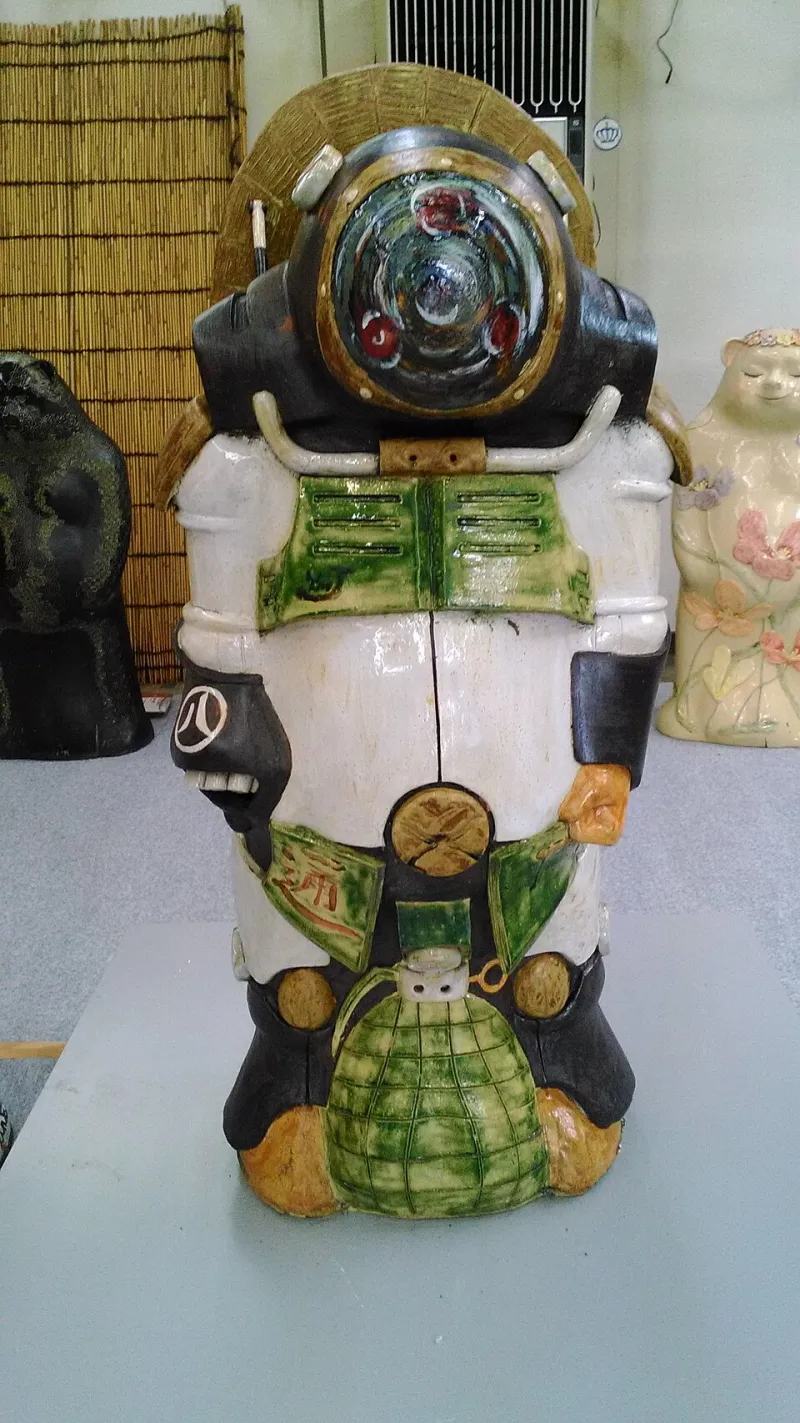
When TanukiCoin launched around the mythology of the shape-shifting tanuki, a figure from Japanese folklore known for its adaptability and clever misdirection, it wasn't just aesthetic window dressing. The tanuki's identity maps directly onto what a resilient crypto portfolio actually needs: the ability to shift form, adapt to market conditions, and survive environments that would flatten less flexible assets. That's not a coincidence. That's intentional brand architecture.
Contrast that with tokens that borrow a meme simply because it's trending. The meme does the initial heavy lifting—it gets eyes on the project, generates social buzz, maybe drives a short price spike. But without a deeper narrative thread, there's nothing to hold community members together once the hype cycle cools. The story has to be about something that people want to keep believing in.
The Psychology of Staying Power
Community adoption in crypto follows a pattern that behavioral economists would recognize immediately. Early adopters aren't just buying a token—they're buying into an identity. They're signaling something about themselves to their networks. This is why projects with strong cultural hooks, whether that's a mythology reference, a regional identity, or a shared set of values, tend to build stickier communities than purely technical projects.
But identity alone doesn't pay the bills. The projects that graduate from meme status to legitimate DeFi players share a second trait: they give community members something to do. Governance participation, liquidity provision, staking mechanisms, NFT ecosystems—these aren't just product features. They're reasons for people to stay engaged long after the initial hype fades.
Think about how Chainlink evolved. It started as a relatively niche infrastructure play, but the "LINK Marines" community became one of the most durable holder bases in crypto precisely because members felt like active participants in something larger than a price chart. The token had a job to do, and so did its holders.
What the Case Studies Actually Show
Look at the tokens that successfully made the leap from novelty to legitimacy and a few patterns emerge consistently.
Transparency builds trust faster than hype. Projects that publish regular development updates, open their roadmaps to community input, and are honest about setbacks tend to retain holders through rough patches. Communities are surprisingly forgiving when they feel respected and informed.
Real utility has to arrive on a credible timeline. You can sustain community energy on narrative for a while, but eventually the protocol has to deliver functional products—whether that's a DEX integration, a yield mechanism, cross-chain compatibility, or governance tooling. Projects that keep promising utility without shipping it eventually lose even their most loyal advocates.
Partnerships signal legitimacy. When a community-driven token lands a meaningful integration with an established DeFi protocol or gets listed on a reputable exchange, it functions as third-party validation. It tells the broader market that the project passed some level of scrutiny outside its own echo chamber.
TanukiCoin's approach fits this model: the folklore-driven identity gives the community a shared language and a reason to care, while the underlying tokenomics and DeFi integrations give holders tangible reasons to stay. The shape-shifting metaphor isn't just cute—it's a philosophy that encourages active portfolio management rather than passive holding, which creates ongoing engagement with the ecosystem.
The Fade-Out Formula
On the flip side, the tokens that don't make it tend to share their own set of patterns.
Anonymous teams with no accountability. Tokenomics that reward early insiders at the expense of later participants. Communities built entirely on price speculation rather than shared values or utility. No clear answer to the question: "What does this token actually do?" And perhaps most importantly, founders who disappear when the market gets hard.
Meme energy is a renewable resource—there will always be a new viral moment to chase. But community trust, once burned, is almost impossible to rebuild.
What This Means for Investors
If you're evaluating a culturally-inspired or community-driven token, the questions to ask aren't much different from evaluating any other crypto investment. Who's building it? What does the token actually enable? Is there a real user base, or just a Discord full of price talk?
But there's an additional layer worth examining: does the cultural identity of the project reinforce its actual utility, or is it just a costume? The most durable projects are the ones where the story and the mechanism point in the same direction.
The tanuki doesn't just look adaptable. In TanukiCoin's framework, adaptability is the whole point—built into the rebalancing philosophy, the tokenomics design, and the community culture. That kind of alignment is rarer than it sounds, and it's exactly what separates the tokens worth watching from the ones worth forgetting.