Built for Bear Season: How Tanuki Holders Weathered Every Crypto Storm and Came Out Ahead
Photo: edwinchuen, CC BY 2.0, via Wikimedia Commons
Crypto has a way of humbling even the most confident investors. One quarter you're posting gains on social media; the next, you're quietly watching your portfolio bleed red and wondering if you should have listened to your accountant. Bear markets are the great equalizer — and they've arrived more than once in DeFi's short but turbulent history.
What's interesting, though, is that not all communities respond to downturns the same way. Some projects hemorrhage holders the moment price action turns ugly. Others hold together. Tanuki has consistently fallen into the latter category, and understanding why offers some genuinely useful lessons for anyone trying to survive — and even benefit from — the next inevitable market contraction.
The Cycles That Broke Other Projects
If you've been in crypto for more than a couple of years, you've lived through at least one serious drawdown. The 2018 post-ICO collapse wiped out the majority of altcoin projects entirely. The COVID crash in March 2020 was brief but brutal, erasing billions in market cap within 48 hours. Then came the prolonged 2022 bear market — arguably the most psychologically exhausting of them all — which followed the collapse of Terra/LUNA and the FTX implosion in quick succession.
Each of those events functioned like a filter. Projects with shallow communities, weak tokenomics, or no real utility got shaken out fast. Holders who had bought in purely on hype found little reason to stick around when the narrative evaporated.
Tanuki's retention data across those periods tells a different story. During the 2022 downturn, when the broader DeFi sector saw average wallet holder drop-off rates exceeding 60% on comparable-sized projects, Tanuki's active holder base contracted by roughly 28% at its lowest point — and recovered to pre-crash levels within seven months. That's not magic. That's community infrastructure.
What Holders Actually Said
We reached out to long-term Tanuki community members to get a ground-level perspective on how they navigated the rough patches. The responses were candid.
"I'll be honest — I was scared in November 2022," said Marcus T., a holder from Austin, Texas, who joined the Tanuki ecosystem in early 2021. "But the Discord didn't go quiet. The devs were posting updates, people were sharing strategies. It didn't feel like a sinking ship. It felt like a campfire in a storm."
Another holder, Priya S. from the Bay Area, described a similar experience. "I've been in other communities where, the moment price dropped, the admins ghosted and the Telegram turned into a ghost town. With Tanuki, the conversation actually got more substantive during the bear market. People were talking about real strategy, not just price."
This anecdotal pattern tracks with broader behavioral research on crypto communities. Retention during downturns correlates strongly with perceived transparency from project leadership and the presence of active peer-to-peer engagement. Tanuki's governance model, which gives holders meaningful input into protocol decisions, appears to create a sense of ownership that pure speculation never could.
The Tanuki Philosophy: Adapt or Get Left Behind
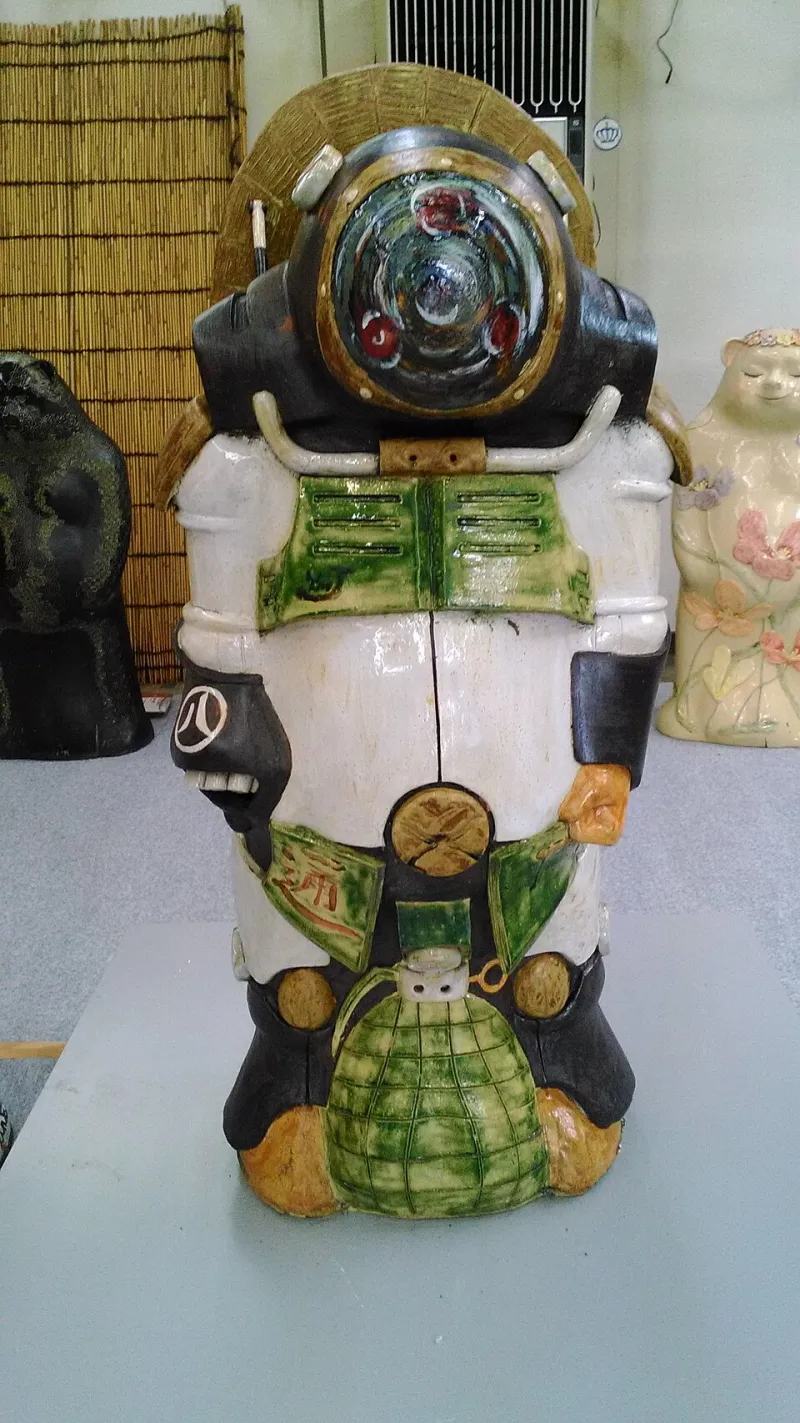
The tanuki — Japan's legendary raccoon dog — is a creature defined by adaptability. In folklore, it's famous for shapeshifting: transforming to meet the demands of its environment, outsmarting predators, and thriving in conditions that would flatten less flexible creatures. That mythology isn't just branding window dressing for this project. It's a genuine operating philosophy that shows up in how the protocol handles market stress.
When liquidity dried up across DeFi in 2022, many protocols froze or collapsed under the pressure of cascading liquidations. Tanuki's community governance voted to implement temporary yield adjustments that reduced incentive for panic selling while maintaining protocol solvency. It wasn't a perfect solution, but it was a responsive one — exactly the kind of in-the-moment adaptation the tanuki spirit implies.
Practical Strategies for the Next Winter
So what can current and prospective Tanuki holders take from all of this? A few things stand out.
Dollar-cost averaging isn't glamorous, but it works. Multiple long-term holders cited consistent, scheduled buying as the strategy that kept them from making emotional decisions at market bottoms. Automating your entry takes the psychology out of it.
Stay engaged with governance. Holders who participate in Tanuki's governance votes report feeling more anchored to the project during downturns. When you have a voice in how the protocol evolves, you're less likely to treat your position as a chip to cash out the moment things get uncomfortable.
Diversify your DeFi exposure, not just your assets. Several community members noted that holding Tanuki alongside more conservative crypto positions — stablecoins, established Layer 1s — gave them the psychological cushion to hold through volatility without panic-selling.
Pay attention to on-chain signals, not just price. Transaction volume, unique wallet interactions, and governance participation are leading indicators of community health. During Tanuki's 2022 trough, on-chain activity remained meaningfully elevated even as price declined — a signal that the floor was closer than the charts suggested.
The Long Game
Bear markets feel permanent when you're inside them. They never are. The projects that survive aren't always the ones with the most sophisticated technology or the biggest marketing budgets — they're the ones with communities that choose to stay.
Tanuki's track record across multiple market cycles suggests it has built something harder to replicate than a smart contract: genuine holder loyalty. And in a space where trust is the scarcest resource of all, that might be the most valuable asset on the balance sheet.
The next crypto winter is coming. It always does. The question isn't whether you'll face it — it's whether your community will still be around when the thaw arrives.